2026-08-29 · Scott Merrick
Getting Your Sacramento Plumbing Ready for Fall and Winter
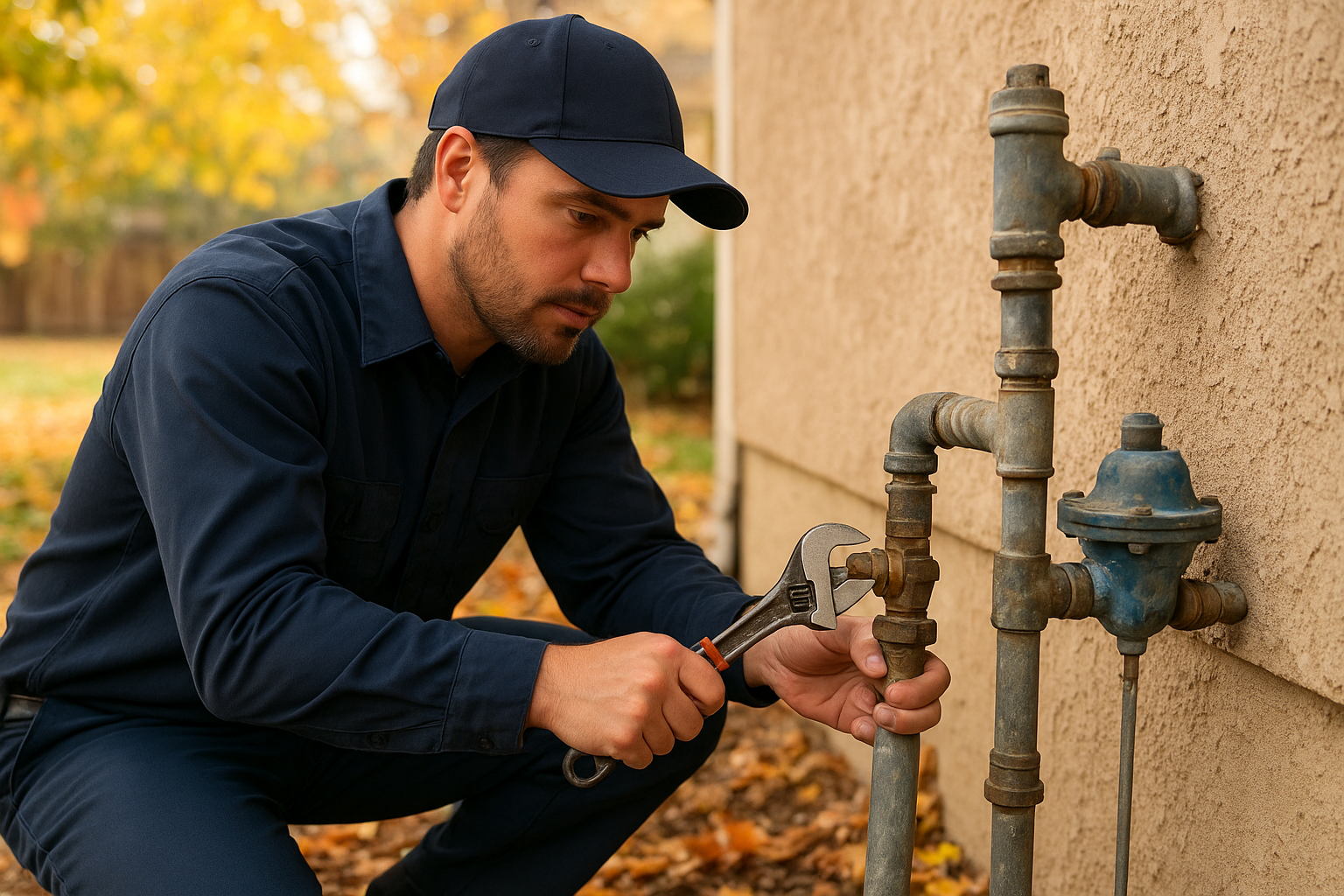
Sacramento homeowners should inspect water heaters and exposed pipes before the first cold snap arrives, since failures peak then in pre-1970s homes where hard water accelerates corrosion on galvanized and copper lines.
Checking Water Heaters Before the Cold Snap
Sacramento experiences hot dry summers followed by cool wet winters, so water heaters face sudden temperature drops that expose weak points in older units. Most 40- to 50-gallon tanks in East Sacramento and Midtown homes last 8–12 years before sediment buildup from hard water causes leaks or inefficiency. Walk around the unit and note any rust at the base or inconsistent hot water delivery. Flush the tank annually to remove mineral scale that builds during dry months. If the heater is over 10 years old, schedule a full diagnostic now rather than waiting for the first freeze. Home size and access points affect repair timelines, with typical costs ranging $400–$1,500 depending on part replacement needs.
Managing Hard Water and Pipe Corrosion
Hard water in Sacramento leaves mineral deposits that narrow pipe interiors over decades, especially in Downtown Sacramento and Land Park homes built before 1970. Galvanized lines often corrode from the inside, leading to low pressure or pinhole leaks once winter rains increase usage. Check under sinks and at the main shutoff for discoloration or moisture. Whole-house repiping becomes necessary when multiple fixtures show reduced flow, with costs varying by pipe material and wall access. Homeowners in Oak Park and North Sacramento can test water hardness at the tap to confirm levels above 10 grains per gallon. Addressing corrosion early prevents larger bursts during wet weather.
Preventing Sewer Line Root Intrusion
Mature trees along the American River Parkway and in South Sacramento send roots toward sewer lines seeking moisture, causing blockages that worsen with winter rains. Signs include slow drains or gurgling toilets after heavy precipitation. Camera inspections reveal root entry points without excavation in many cases. Properties near Old Sacramento or Sutter's Fort often have clay or cast-iron lines that crack over time, allowing intrusion. Clearing roots every 12–18 months keeps lines clear, though repeated issues point toward sewer line repair or trenchless options. Factors like tree proximity and pipe depth move pricing between $1,200 and $4,500.
Inspecting for Leaks and Preparing Supply Lines
Walk through homes in Land Park and Midtown to test every shutoff valve and look for damp spots near water lines. Older copper lines expand and contract with temperature swings, creating small leaks that surface during cooler months. Check the main line entry point and water heater connections for drips. In pre-1970s builds, consider a pressure test if flow has dropped noticeably. Water heater repair often ties into these inspections when sediment or corrosion affects both systems. For deeper pipe concerns, review options in the article on why Sacramento water heaters fail in the first cold snap. These steps reduce emergency calls once rains begin.