2026-08-29 · Scott Merrick
Why Sacramento Water Heaters Fail in the First Cold Snap
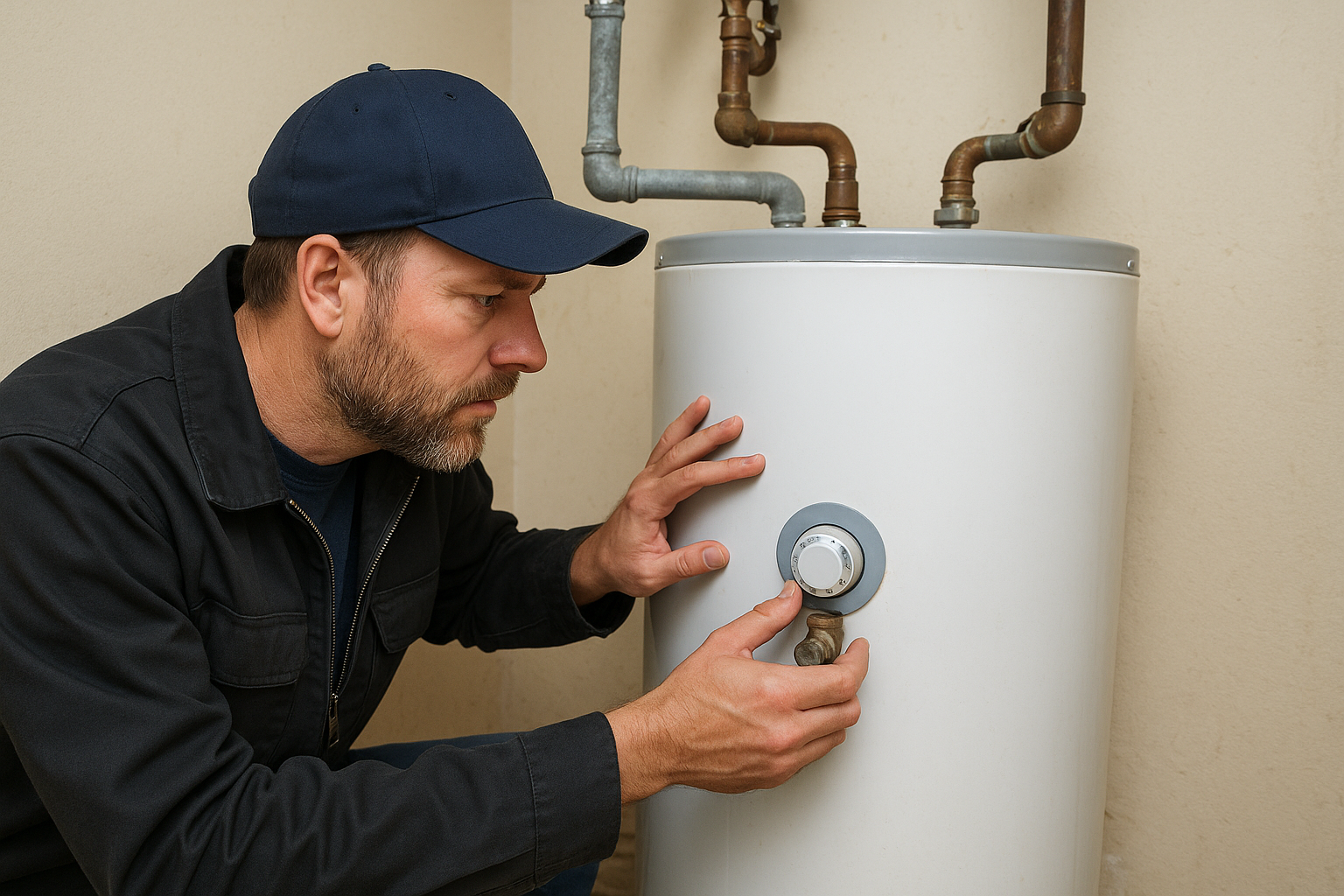
Sacramento water heaters most often fail during the first cold snap because hard water has already deposited layers of sediment that insulate the tank bottom, forcing the burner or element to work harder exactly when incoming water temperature drops and household demand spikes.
Hard Water and Sediment Buildup
Sacramento's hard water leaves behind calcium and magnesium that settle at the bottom of tanks. Over multiple seasons this layer thickens and reduces heat transfer, so the unit runs longer to maintain temperature. When nights turn cool and residents start using more hot water for showers and laundry, the extra workload pushes already stressed units past their limit. Homes in East Sacramento and Midtown commonly see this pattern because many properties still rely on original tanks installed decades ago. Regular flushing removes some buildup, yet many owners skip the step until a cold snap exposes the problem.
Older Homes and Corroding Lines
Pre-1970s homes throughout Land Park, Oak Park, and North Sacramento frequently contain galvanized or copper lines that have narrowed from corrosion. Restricted flow means the water heater must push against higher resistance, raising internal pressure and wear on the tank. When the first cool weather arrives and pipes lose heat faster, the heater cycles more often and the weakened components give out. These older systems also sit in crawl spaces or garages where temperature swings are more extreme, shortening service life compared with newer installations.
Seasonal Temperature Shifts
Sacramento's hot dry summers followed by cool wet winters create a sharp change in incoming water temperature. During summer the supply line stays relatively warm, but after the first fall rains groundwater cools quickly. A tank that was adequate all summer now receives colder feed water and must heat a larger volume to the same setpoint. This sudden increase in workload reveals any existing sediment or weak heating elements that had coasted through milder months. Properties near the American River Parkway notice the effect sooner because groundwater there cools faster than in more developed inland blocks.
Practical Steps Before Winter
Homeowners can check the temperature-pressure relief valve and note any rumbling sounds that signal heavy sediment. Tracking the age of the unit helps, since many tanks in Sacramento neighborhoods last 8–12 years before sediment-related failure becomes likely. When a unit stops producing hot water during the first cold snap, calling a plumber familiar with local conditions prevents frozen pipes in unheated spaces. For readers facing an immediate issue, the guide Emergency Plumbing: What to Do Before the Plumber Arrives outlines safe steps while waiting for service. In some cases a full water heater installation or targeted water heater repair restores reliable hot water before the wet season deepens.