2026-08-29 · Scott Merrick
How to Spot a Hidden Water Leak Before It Wrecks Your Sacramento Home
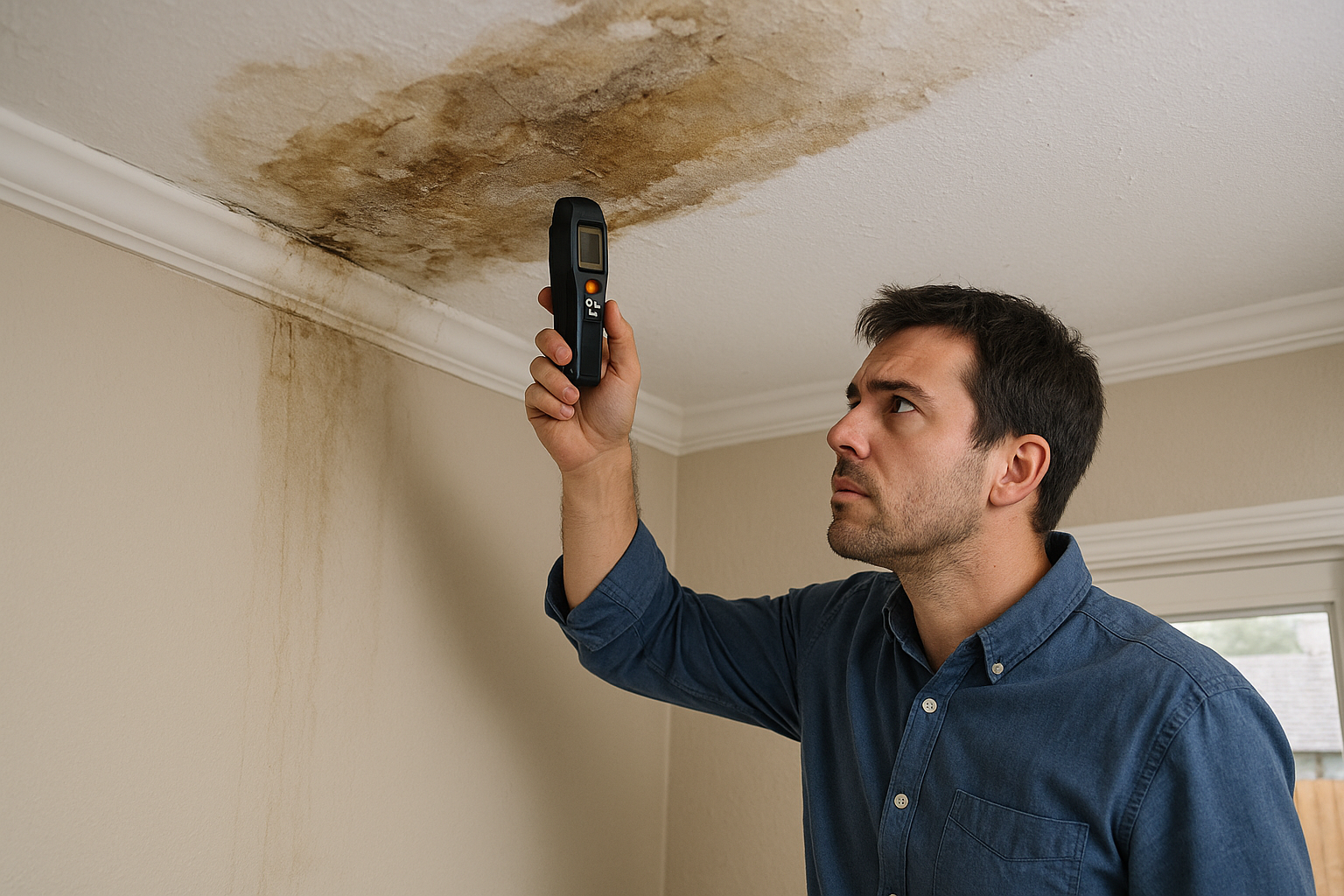
Sacramento homeowners spot hidden water leaks by first shutting off all indoor and outdoor fixtures then checking if the water meter continues to register flow, followed by scanning for unexplained damp patches, rising bills, and musty odors near walls or slabs in homes built before 1970.
Test the Water Meter at the Street
Turn off every faucet, toilet, and appliance that uses water inside and outside the house. Locate the meter box near the sidewalk or front lawn and note the position of the dial or digital reading. Wait fifteen minutes without using any water. Return and check whether the dial has moved even slightly. Any movement indicates a leak somewhere in the supply line between the meter and the house or inside the plumbing. In older Sacramento neighborhoods like East Sacramento and Midtown, galvanized pipes from the 1950s and 1960s often develop pinhole leaks that produce exactly this slow, steady meter spin. Repeat the test at night when municipal pressure is higher to confirm the result.
Look for Damp Spots, Stains, and Mold
Walk through basements, crawl spaces, and around slab foundations with a flashlight. Press a dry paper towel against baseboards, under sinks, and along exterior walls facing the American River Parkway where mature trees send roots toward moisture. Yellow-brown rings on ceilings or walls, soft drywall, or black mold patches that reappear after cleaning all point to slow leaks from corroding copper or galvanized lines. Hot dry summers make these signs less obvious until the cool wet winters raise indoor humidity and accelerate mold growth. Check the area around water heaters, which often fail first when temperatures drop in fall.
Track Monthly Water Bills and Pressure Changes
Compare the last six months of utility statements for unexplained increases of twenty percent or more without added occupants or new irrigation. A steady rise often traces to a slab leak or underground line feeding older homes in Land Park or Oak Park. Test pressure at an outdoor hose bib with a simple gauge; readings below 40 psi when the main valve is fully open can signal a partial blockage or leak downstream. Hard Sacramento water accelerates mineral buildup inside pipes, narrowing them and making small leaks harder to hear but easier to detect through these gradual pressure drops.
Identify Sacramento Pipe Vulnerabilities
Homes built before 1970 in Downtown Sacramento, North Sacramento, and South Sacramento frequently contain galvanized steel or early copper that reacts with the region's hard water. Over decades the interior walls thin until pinholes form, usually behind walls or under concrete slabs. Mature trees near the American River Parkway or in established yards send roots toward any consistent moisture source, though water-line leaks differ from sewer issues. These conditions rarely produce visible puddles until the leak has already damaged subfloors or foundations.
When Professional Tools Become Necessary
Electronic listening devices and thermal cameras locate leaks behind walls or under slabs without demolition. Leak detection specialists use these methods on Sacramento properties daily. Review typical expenses on the leak detection cost in Sacramento page to understand how home size, pipe material, and access affect pricing. If the meter test confirms flow, schedule an inspection before the next winter rains raise groundwater levels and turn a small leak into foundation damage. Early detection often limits repairs to a targeted water line repair rather than a full repipe.