2026-08-29 · Scott Merrick
How Hard Water Wears Out Sacramento Plumbing
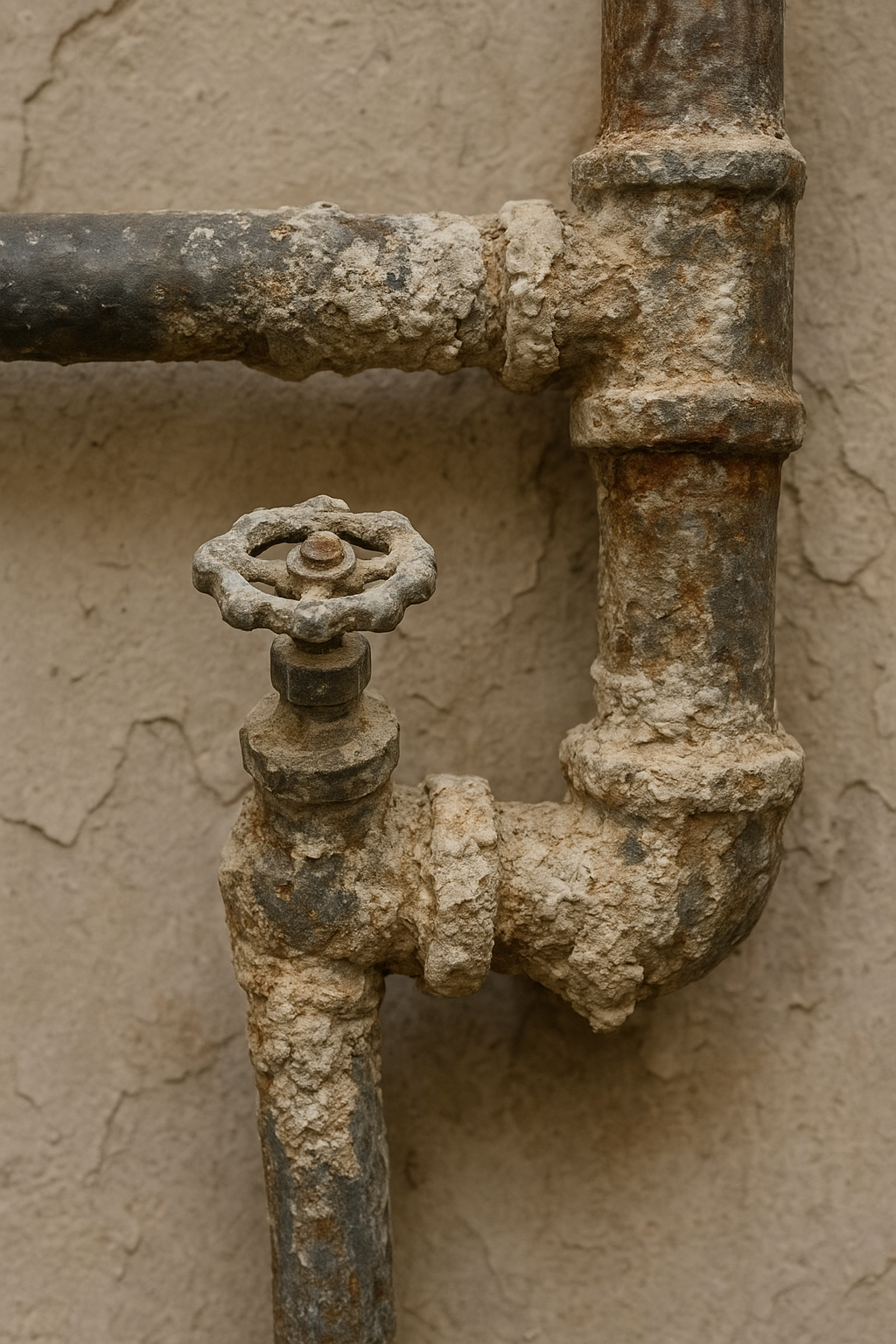
Hard water in Sacramento wears out plumbing by depositing calcium and magnesium scale inside pipes and appliances, often reducing galvanized steel line lifespan to 20-40 years and causing water heater failures after 8-12 years when winter temperatures drop.
Mineral Deposits in Older Sacramento Pipes
Sacramento's hard water accelerates scale formation on the interior walls of galvanized and copper lines common in homes built before 1970. Over time the buildup narrows pipe diameter, restricts flow, and traps sediment that promotes further corrosion. In neighborhoods such as East Sacramento and Midtown, plumbers routinely cut open sections showing 1/8-inch or thicker mineral layers after 25 years of service. Hot dry summers increase evaporation and concentration of minerals while cool wet winters drive higher water use that moves the scale through the system. The result shows up as reduced pressure at upper floors and frequent clogging at elbows and valves. Homeowners who notice these gradual changes can schedule inspections before a full blockage develops.
Effects on Water Heaters and Fixtures
Water heaters suffer the fastest damage because heat speeds mineral precipitation onto heating elements and tank walls. A typical 40-gallon tank unit in a Sacramento home often develops heavy sediment layers that force the burner to run longer, raising energy use and eventually cracking the tank. Faucet aerators and showerheads collect visible white buildup within months, requiring monthly cleaning in the worst cases. The first cold snap of fall frequently triggers leaks as the heater struggles under increased demand. Water Heater Repair addresses immediate failures while longer-term solutions include flushing sediment or switching to models better suited to local water chemistry.
Practical Steps to Slow the Damage
Regular flushing of water heaters every 6-12 months removes loose scale before it hardens. Installing point-of-use filters on kitchen and bath taps catches some minerals before they reach fixtures. For whole-house protection, many Sacramento owners choose a water softener or conditioning system sized to their household demand. When pipes show advanced corrosion, a Whole-House Repipe replaces galvanized sections with PEX or copper rated for local water conditions. Checking exposed lines in basements and crawl spaces twice a year reveals early pinhole leaks or discoloration. These steps do not eliminate hard water but extend the useful life of existing plumbing by several years.
When Replacement Becomes Necessary
Once scale reduces flow below acceptable levels or leaks appear at multiple joints, repair costs often exceed the price of targeted replacement. Ballpark ranges for partial repiping run $2,000-$6,000 depending on home size, pipe material, and access through finished walls. Full repipes in single-story homes with crawl spaces typically fall between $4,500-$9,000. Factors that move the price include permit requirements, number of fixtures, and whether the work coincides with a water heater changeout. Tankless vs Tank Water Heater for Sacramento Homes compares options that resist scale better than traditional tanks. Addressing the issue before winter prevents emergency calls when temperatures first drop and demand spikes.